Last updated: August 21, 2026
Tires are the part of a scooter that changes how every trip feels and the part owners think about least. Worn tread turns a wet sidewalk into a nuisance, a soft pneumatic tire quietly eats range, and a cracked solid tire transmits every crack in the pavement straight through the seat.
The choice between solid and pneumatic is the one that gets argued about, and both answers are defensible depending on where the scooter actually goes. This guide covers the three tire types on the market, how to read the size off the tire you already have, and what is realistic to change at home rather than at a shop.
This article contains affiliate links. If you buy through them, we may earn a commission at no extra cost to you. Learn more.
Quick Answer
Should you choose solid or pneumatic mobility scooter tires?
- Solid tires never go flat and suit indoor use and smooth pavement, at the cost of a firmer ride.
- Pneumatic tires cushion rough ground and grip better on grass and gravel, but they can puncture and they need checking.
- Flat free foam filled tires sit between the two, giving some cushioning without the puncture risk.
Bottom line: match the tire to where the scooter actually goes, and read the size off the sidewall of the tire you already have before ordering anything.
The Three Types You Will Actually See
Solid tires are molded rubber with no air in them at all. They cannot puncture, they need no pressure checks, and they roll fine on smooth surfaces, which is why they are the common fit on scooters intended for indoor and sidewalk use. What they give up is cushioning, since the tire itself does none of it.
Pneumatic tires hold air in an inner tube or as a tubeless fit, and the air is what absorbs bumps. They handle grass, gravel, and broken pavement noticeably better, and they carry the maintenance that goes with air: pressure checks, occasional punctures, and valve care.
Flat Free Foam Filled Tires
The third option is a pneumatic-shaped tire filled with foam rather than air. It gives some of the cushioning of a pneumatic tire with none of the puncture risk, and it is heavier than either alternative. It suits owners who want a softer ride and do not want to think about pressure at all.
Read the Size Off the Tire You Have
Every replacement order starts at the sidewall, where the size is molded into the rubber. Copy it exactly, including any letters, and match it against the listing rather than trying to convert between sizing systems. Scooter tires use more than one convention and the numbers are not interchangeable.
Photograph the sidewall and the wheel as a pair. The tire size tells you what fits the rim, and the wheel tells you whether the scooter uses a split rim, a one-piece rim, or a wheel sold complete with the tire already mounted.
Front and Rear Are Not Always the Same
Many scooters run a different size front and rear, and some run a different tread pattern too. Check both ends before ordering a set, and note which is which when you photograph them, because it is easy to mix them up once they are off.
Scooter Tires by Situation
Indoor and Smooth Pavement
For a scooter that lives on smooth floors and finished sidewalks, a solid tire is the low-effort choice. Nothing to check, nothing to puncture, and the firmer ride matters less on flat surfaces.

Rough Ground and Longer Outdoor Trips
Where the route includes grass, gravel, or broken pavement, a pneumatic tire is what makes the difference. It cushions the ride and it deforms around obstacles instead of skating over them. Our all terrain scooter guide covers scooters built around that use.

Cushioning Without the Puncture Risk
Foam filled tires are the compromise for owners tired of flats but unwilling to go back to a fully solid ride. They are heavier, which is worth knowing if the scooter also has to be lifted or carried.

Keeping Pneumatic Tires Where They Should Be
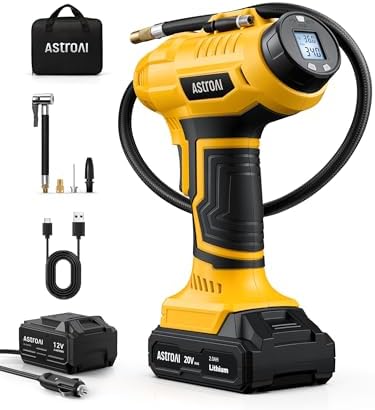
If the scooter runs on air, a small inflator with a gauge belongs in the household kit. Soft tires are the single most common reason a scooter feels heavy and comes up short on range.
Comparing the Three Types
| Type | Best on | Trade-off |
|---|---|---|
| Solid | Indoors, smooth sidewalks | Firmest ride, least cushioning |
| Pneumatic | Grass, gravel, broken pavement | Punctures, pressure checks |
| Foam filled | Mixed use, no flats wanted | Heavier than either alternative |
| Complete wheel | Owners who do not want to fit a tire | Costs more than the tire alone |
Pressure, Wear, and When to Replace
For pneumatic tires, the pressure to run is the one printed on the sidewall or given in the scooter manual, not a figure carried over from a bicycle. Checking it monthly is enough for most owners, and it is the check that most directly affects range and steering feel.
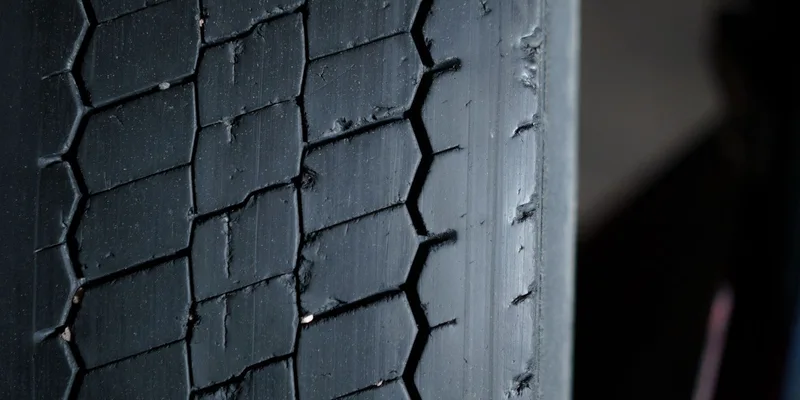
Replace when the tread pattern has worn smooth, when the rubber shows cracking at the sidewall, or when a solid tire has visible chunks missing. A tire that has gone hard and shiny with age has lost grip even if it looks intact, and that shows up first on wet pavement and painted surfaces.
Fitting: What Is Realistic at Home
Changing a scooter tire is more physical than changing a bicycle tire, because the rubber is stiffer and many scooter wheels use a split rim held together with bolts. Split rims in particular are worth respecting, since a pneumatic tire holds pressure and a rim taken apart carelessly is not a safe thing to be near.
The straightforward route for most households is buying a complete wheel with the tire already mounted, or having a mobility shop or bicycle shop do the swap. If the scooter is under warranty, check what the maker says before changing anything on the wheels.
Common Mistakes When Buying Scooter Tires
Ordering from the wheel diameter alone is the first, since the same wheel can take more than one tire width and profile. Copy the whole sidewall marking rather than the first number in it.
The second is buying pneumatic tires for a scooter that only ever runs indoors, adding maintenance for a benefit that never appears. The third is replacing one worn tire and leaving its partner, which leaves the scooter sitting unevenly and pulling to one side.
A Note on Ride Comfort and Fit
Tire choice changes how much of the ground comes through to the seat, and for some riders that matters a great deal. Suspension, seat padding, and tire type all contribute, and swapping tires alone does not turn a firm scooter into a soft one.
If a scooter is uncomfortable enough that trips are being avoided, that is worth raising rather than solving by trial and error. If you are unsure what fits your situation, ask your doctor or an occupational therapist, who can look at seating and setup together.
Frequently Asked Questions
Are solid or pneumatic mobility scooter tires better? Neither is better in general. Solid tires suit indoor use and smooth pavement and never go flat, while pneumatic tires cushion rough ground and grip better on grass and gravel at the cost of pressure checks and possible punctures.
How do I find the right size scooter tire? Read the size molded into the sidewall of the tire already fitted and copy it exactly, letters included. Scooter tires use more than one sizing convention, so the markings are not interchangeable between systems.
Can you put pneumatic tires on a scooter that came with solid ones? Not always, because the rim has to suit an air-holding tire and the scooter has to have clearance for the different profile. Check with the scooter maker or a mobility shop before ordering.
What pressure should mobility scooter tires be? Use the pressure printed on the tire sidewall or given in the scooter manual. Do not carry a figure over from a bicycle or a wheelchair, since the tires are built for different loads.
How often should scooter tires be replaced? Replace when the tread has worn smooth, when the sidewall shows cracking, or when a solid tire has chunks missing. Rubber that has gone hard with age has lost grip even when it looks intact.
Are flat free tires worth it on a mobility scooter? They suit owners who want some cushioning without pressure checks or punctures. The trade-off is extra weight, which matters if the scooter also has to be lifted or loaded into a vehicle.
Can I change a mobility scooter tire myself? Sometimes, but scooter rubber is stiff and many wheels use a bolted split rim that deserves care with a pneumatic tire fitted. Buying a complete wheel with the tire mounted, or using a mobility or bicycle shop, is the simpler route.
Do soft tires reduce scooter range? Yes, underinflated pneumatic tires increase rolling resistance, which makes the scooter feel heavy and shortens what you get from a charge. A monthly pressure check is the easiest maintenance win there is.
The Bottom Line
Match the tire to the route rather than to an opinion: solid for indoor and smooth sidewalks, pneumatic for grass and rough pavement, foam filled if you want cushioning without flats. Order from the sidewall marking of the tire you already have, check front and rear separately, and keep pneumatic pressure at what the sidewall or the manual states. The rest of the routine sits in our scooter maintenance checklist.
Related Reading
- Mobility Scooter Maintenance Checklist
- All Terrain Mobility Scooters for Rough Ground
- Mobility Scooter Accessories Worth Buying First
- Mobility Scooter Batteries: How to Pick a Match
- How to Choose a Mobility Scooter Step by Step
- Non Slip Ramp Surfaces and Traction Tape Compared
- Walkway and Driveway Safety: A Practical Outdoor Check