Last updated: August 20, 2026
Buttons are small, shirt cuffs fasten on the hand that is already busy, and a zip pull is a piece of metal the size of a fingernail. Ordinary clothing is designed for hands that pinch precisely and shoulders that rotate freely, and when either changes, getting dressed can take half a morning and end in frustration rather than in clothes.
Adaptive clothing keeps the look of ordinary garments and changes how they open and close. This guide covers the fastening types, the cuts that suit dressing while seated, what to check on sizing, and where a dressing aid is the cheaper answer than a new wardrobe.
This article contains affiliate links. If you buy through them, we may earn a commission at no extra cost to you. Learn more.
Quick Answer
What makes clothing easier to get on and off?
- Magnetic closures look like buttons but align themselves, which removes the pinch and the precision.
- Side-opening trousers and open-back tops are designed to be put on while seated, without standing to pull anything up.
- Wide necklines, elastic waistbands, and stretch fabrics reduce how far a shoulder or hip has to move.
- Front-fastening underwear and bras avoid the reach behind the back that stops many people first.
If you are unsure what fits your situation, ask your doctor or an occupational therapist, who can watch a dressing routine and suggest what to change first.
Which Part of Dressing Has Become Hard
Dressing difficulty is usually specific rather than general. It might be the pinch needed for a button, the reach behind the back for a bra hook, the shoulder rotation to put an arm through a sleeve, standing on one leg to get into trousers, or the bend to reach a foot. Each has a different answer.
Watching one dressing routine tells you which. In many households the answer turns out to be two garments rather than a wardrobe, or a dressing stick and a sock aid rather than any clothing at all. Our guide to sock aids and dressing aids covers the tool route.
Dressing Seated Changes the Requirements
Anyone who dresses sitting on the edge of a bed or in a chair needs different garments from someone who dresses standing. Trousers have to come up under a seated body, which is where side openings and a higher back rise matter, and tops need to go on without lifting arms straight overhead.
Magnetic Closures
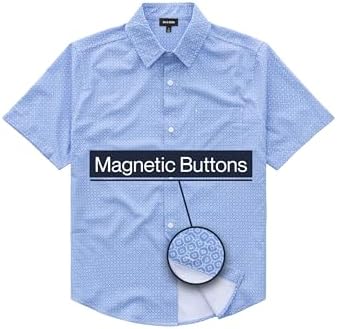
Magnetic fastenings are the single biggest change in this category. Small magnets are hidden behind a normal-looking placket with decorative buttons on the front, and the two halves pull themselves into line when they get close, so no pinch and no fine alignment are needed.
They appear on shirts, blouses, cardigans, jackets, and cuffs. The magnets are strong enough to hold a shirt closed through a normal day and pull apart with a sideways tug rather than a straight pull, which is worth knowing since pulling straight out feels stiff. Anyone with an implanted medical device should check with their doctor before wearing magnetic clothing, since manufacturers usually include a note about it.
Hook and Loop, Snaps, and Large Pulls
Hook and loop tape is the older solution and still the cheapest. It is less discreet, and it catches on knitwear in the wash, so garments with it need fastening before they go in. Snap fasteners suit hands that can press but not pinch, and a large ring or a fabric loop added to a zip pull turns a fingernail-sized tab into something a whole hand can hook.
Trousers and Lower Body Garments
Trousers are the hardest garment to put on while seated, because they normally require standing to pull them over the hips. Side-opening trousers solve it: the leg seams open with a zip or snaps from waist to ankle, so the garment wraps around rather than being pulled up.
Short of that, elastic or drawstring waistbands remove the button and zip entirely, and a higher back rise stops trousers pulling down at the back when seated, which is a comfort issue people rarely name but often feel. Stretch fabrics with a little give make every version of this easier.

Tops, Sleeves, and Getting Arms Through
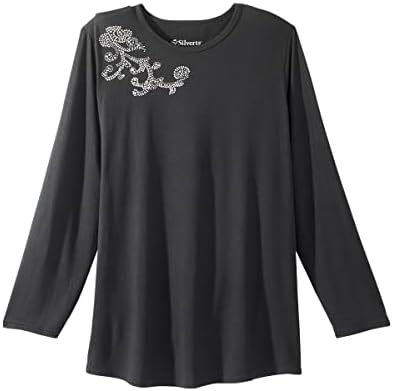
The obstacle with tops is shoulder movement rather than fastening. Wide boat necklines, raglan sleeves, and generous armholes all mean the arm travels less far, and stretch jersey forgives what a woven shirt does not.
Open-back tops go further. The garment is complete at the front and opens fully at the back, usually with snaps or hook and loop at the shoulders, so it can be laid on and closed behind without lifting the arms overhead at all. These are made for dressing while seated, often with help, and they look like ordinary tops from the front.
Underwear and Bras
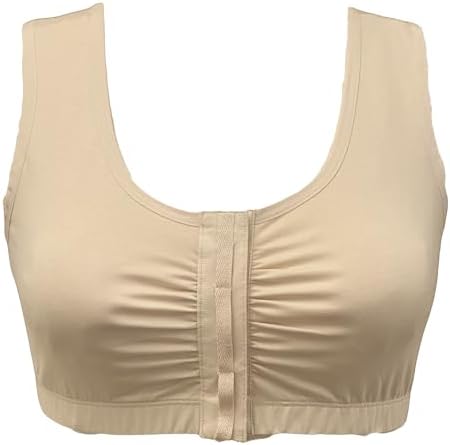
Reaching behind the back is one of the first movements to go, and a standard bra hook lives exactly there. Front-fastening bras, magnetic clasps, and step-in styles that pull up like a vest all avoid that reach. Wider straps spread pressure and are more comfortable for long wear.
The same logic applies to everything else in a drawer: pull-on styles with soft waistbands, no small hooks, and no fasteners positioned where they cannot be seen. It is a small change and it usually removes an entire step from the morning.
Comparing the Features
| Feature | Solves | Watch out for |
|---|---|---|
| Magnetic closure | Pinching and aligning buttons | Check with a doctor if an implanted device is present |
| Hook and loop | The same, at lower cost | Catches knitwear; less discreet |
| Snap fasteners | Hands that press but cannot pinch | Needs a firm push, which is its own effort |
| Zip pull loop | Gripping a small metal tab | Can be added to clothes you already own |
| Side-opening trousers | Dressing seated without standing | Styling is narrower than ordinary trousers |
| Elastic waistband | Buttons and zips at the waist | Fit varies more between brands |
| Open-back top | Lifting arms overhead | Designed for dressing with help |
| Front-fastening bra | Reaching behind the back | Band sizing runs differently by brand |
Fit, Fabric, and Sizing
Adaptive ranges are smaller than mainstream ones, so sizing is less consistent and returns are more likely. Measure rather than assume, read the brand’s own size chart rather than a general one, and check the return policy before ordering several items at once.
Fabric does quiet work. A little stretch makes every garment easier to put on, soft flat seams matter for anyone sitting in the same position for long periods, and machine washable is not optional in a household where laundry happens often. Check care labels before buying, since some adaptive garments with hardware need washing on a gentle cycle.
Looking Like Ordinary Clothes
The clothing only helps if it gets worn, and that depends on whether it looks like something the person would have chosen anyway. The better adaptive ranges are deliberately indistinguishable from mainstream clothing: decorative buttons over the magnets, standard collars, ordinary colors. It is worth prioritizing, because a wardrobe that feels like hospital issue tends to stay in the drawer.
A Note on Dignity and Choice
Dressing is personal, and clothing is part of how people present themselves rather than a task to be optimised. Whoever is being dressed should choose what they wear and how much help they want, and adaptive garments should widen that choice rather than narrow it. Where a family is helping, the practical questions of what to buy and how to organize a dressing routine are exactly what an occupational therapist deals with, and asking one is a reasonable first step.
Frequently Asked Questions
What is adaptive clothing? Ordinary-looking clothing redesigned around how it opens and closes, using magnets, snaps, side openings, or open backs so it can be put on with less pinching, reaching, or standing.
Are magnetic shirts strong enough? Yes, for normal daily wear. They hold closed through a day and separate with a sideways tug rather than a straight pull. Anyone with an implanted medical device should check with their doctor first, since makers include a warning about it.
What clothing is easiest to put on while seated? Side-opening trousers with a higher back rise, and tops with wide necklines or an open back. Both are designed so nothing has to be pulled up while standing or lifted overhead.
How do you avoid reaching behind your back to fasten a bra? Choose a front-fastening or magnetic-clasp bra, or a step-in style that pulls up like a vest. Wider straps are also more comfortable for long wear.
Is adaptive clothing only for people who need help dressing? No. Much of it is bought by people who dress themselves and simply want to do it faster and with less effort. Magnetic shirts in particular are popular for that reason alone.
Do I need a whole new wardrobe? Usually not. Most households change two or three items, add a zip pull loop or two to existing clothes, and use a dressing stick and sock aid for the rest.
How does adaptive clothing wash? Most is machine washable, but garments with magnets or hook and loop often specify a gentle cycle and fastening closed before washing. Check the care label, since a garment that needs special handling adds work for whoever does the laundry.
Does it look different from ordinary clothing? The better ranges do not. Decorative buttons cover the magnets and the cut follows mainstream styling. This is worth prioritizing, because clothing that looks clinical tends not to get worn.
The Bottom Line
Change the fastening, not the whole wardrobe. Magnetic closures remove the pinch, side-opening trousers and open-back tops suit dressing while seated, wide necklines and stretch fabric reduce how far a shoulder has to move, and front-fastening underwear avoids reaching behind the back. Buy two or three items first, measure against the brand’s own chart, and pair them with a dressing stick and a sock aid from our guide to dressing aids.