Last updated: August 20, 2026
Getting dressed asks the body to bend to the floor, balance on one leg, reach behind the back, and pinch small fasteners, often before the first coffee of the day. When one of those becomes difficult, the whole routine slows down, and dressing is one of the tasks people most want to keep doing without help.
Dressing aids are simple tools that each remove one of those movements. This guide covers what a sock aid actually does, how compression stocking versions differ, and which of the other dressing tools are worth having, along with the honest limitations of each.
This article contains affiliate links. If you buy through them, we may earn a commission at no extra cost to you. Learn more.
Quick Answer
What does a sock aid do, and which dressing aids are worth having?
- A sock aid holds the sock open in a curved shell so the foot slides in without bending to reach it, and cords pull it up.
- Compression stocking versions are built differently, with a stiffer frame or open sides, because the fabric is much tighter.
- A dressing stick with a hook handles trousers, sleeves, and anything out of reach behind the back.
- Button hooks, zipper pulls, and elastic laces solve the fine-pinch part of dressing, which often becomes difficult before the bending does.
These tools are commonly suggested by occupational therapists when bending to the feet is limited.
The Dressing Aids Compared
Each of these tools replaces a specific movement rather than making dressing generally easier, so it helps to work out which movement is the obstacle before buying anything. Someone who cannot bend needs a different set from someone whose fingers cannot manage a button.
| Tool | Movement it replaces | Watch out for |
|---|---|---|
| Sock aid | Bending to the foot and holding the sock open | Rigid shells suit thin socks; flexible ones handle thicker ones |
| Stocking donner | Stretching tight compression fabric over the heel | Standard sock aids often will not take the tension |
| Dressing stick | Reaching trousers, sleeves, and the back of clothing | Hook shape matters more than length |
| Long-handled shoe horn | Bending to guide the heel into a shoe | Handle length and blade stiffness both matter |
| Button hook | Pinching and threading a button | Wire loop size needs to match the buttons |
| Zipper pull | Gripping a small zipper tab | Attaches to the existing tab, so check the fitting |
| Elastic laces | Tying shoelaces at all | Turns lace-ups into slip-ons, which changes the fit |
| Leg lifter | Lifting a leg onto a bed or into a car | A strap, not a lifting device for another person |
How a Sock Aid Works
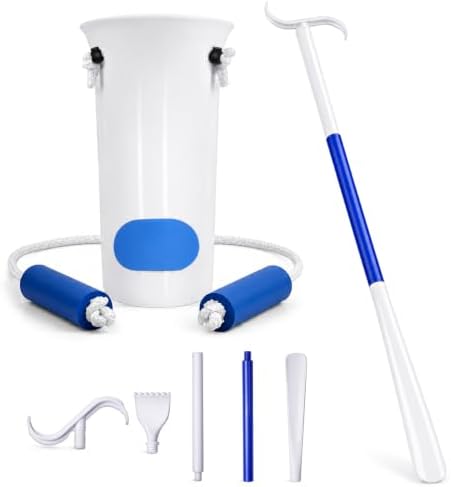
A sock aid is a curved plastic or fabric shell with two long cords attached. You roll the sock over the shell, drop it to the floor, slide your foot into the opening, and pull the cords. The shell holds the sock mouth open while the foot enters, then slips out as the sock comes up the ankle.
The whole point is that nothing has to bend past the knee. The two failure modes are worth knowing: a shell too narrow for a thick sock, and cords too short for the user’s arm reach and seated height. Both are stated in listings, so check them rather than assuming one size fits.
Rigid or Flexible
Rigid shells hold their shape well and suit thin dress socks. Flexible versions, often with a terry lining, grip the sock better and handle thicker material, but they can fold under a tight sock. If several sock thicknesses are in play, the flexible type usually copes with a wider range.
Compression Stocking Donners
Compression stockings are far tighter than ordinary socks, and most standard sock aids simply cannot hold the fabric open against that tension. Donners built for them use a stiffer frame, a wider mouth, and sometimes an open side so the stocking can be worked over the heel in stages.
If compression stockings have been prescribed, follow the fitting instructions supplied with them, since how far up the leg they sit and how they are smoothed out is part of how they are meant to be worn. The donner is a tool for getting them on, not a substitute for that guidance.

Dressing Sticks
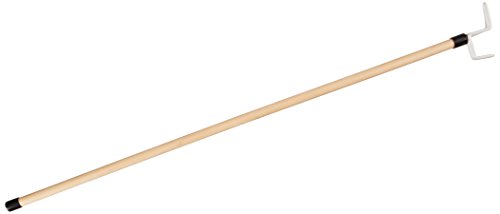
A dressing stick is a rod with a hook on one end and usually a small push pad or a second hook on the other. It pulls trousers and underwear up from the floor, guides a sleeve onto an arm that cannot reach behind, hooks a coat off a hanger, and pushes clothing off a shoulder.
The hook shape does more work than the length. A shallow C-hook slides off fabric under load, while a deeper hook with a slight inward curve holds. Some models add a rubber tip that gives grip on smooth material. A reacher grabber overlaps with much of this and is more versatile around the house, so households that already own one may not need a separate dressing stick.
Fasteners: Buttons, Zippers, and Laces
Fine pinch grip often fades before bending does, which is why buttons and zippers become obstacles while everything else still works. A button hook is a wire loop on a handle: push the loop through the buttonhole, catch the button, and pull it back through. Most are sold with a zipper hook on the opposite end.
Elastic laces are the least conspicuous change of all. They replace ordinary laces, stay permanently tied, and turn a lace-up shoe into a slip-on. Because they change how the shoe holds the foot, check the fit while walking rather than only while sitting, since a shoe that is easy to put on but loose is its own problem.


Setting the Routine Up to Work
The tools help most when the routine around them is set up sensibly. Dressing while seated on a stable chair with arms, rather than standing or perched on a bed edge, removes the balance element entirely, and it is the single change occupational therapists most often suggest.
Keeping everything within reach before starting is the other half. Laying out clothes, shoes, and the aids themselves on the bed avoids standing up mid-routine to fetch something. Our bedroom safety guide covers seating, lighting, and layout, and if you are unsure what fits your situation, ask your doctor or an occupational therapist, who can watch the actual routine.
Frequently Asked Questions
How do you use a sock aid? Roll the sock over the curved shell, lower it to the floor by the cords, slide your foot into the opening, and pull the cords upward. The shell slips out as the sock comes over the ankle.
Will a regular sock aid work for compression stockings? Usually not. Compression fabric is much tighter, and most standard aids cannot hold it open against that tension. Donners built for compression stockings use a stiffer frame or an open side.
What is a dressing stick used for? Pulling trousers up from the floor, guiding sleeves onto an arm, hooking clothing off a hanger, and pushing garments off a shoulder. The hook shape matters more than the length of the stick.
Do I need a dressing stick if I already have a reacher? Often not. A reacher covers most dressing-stick jobs and is more useful elsewhere in the house. A dedicated dressing stick has a better hook profile for fabric, which some people prefer.
What is a button hook? A wire loop on a handle that pushes through the buttonhole, catches the button, and pulls it back through, so buttoning needs no fine pinch grip. Most include a zipper hook on the other end.
Are elastic shoelaces safe? They keep the shoe fastened and remove tying entirely, but they change how tightly the shoe holds the foot. Check the fit while walking, since a loose shoe is a trip hazard in itself.
What is a leg lifter? A strap with a loop at one end that goes around the foot and a handle at the other, used to lift one’s own leg onto a bed or into a car. It is a self-help strap and is not designed for lifting another person’s leg.
The Bottom Line
Buy dressing aids by the movement that is actually blocking the routine. A sock aid for bending to the feet, a stocking donner if compression garments are involved, a dressing stick or reacher for anything out of arm’s reach, and a button hook or elastic laces when fasteners are the obstacle. Dressing while seated in a stable chair does more than any single tool. Pair these with a long-handled shoe horn, which handles the last step of the routine.