Last updated: August 21, 2026
Almost everything that strands a mobility scooter announces itself first. Tires go soft over weeks, range shortens gradually, a wheel starts making a noise it did not make before, and the seat develops a wobble. Owners who look at the machine for a few minutes on a regular schedule catch nearly all of it before it becomes a problem.
What follows is a routine rather than a service manual: a short weekly look, a slightly longer monthly one, and a seasonal check around storage. None of it requires tools beyond a cloth and a pressure gauge, and all of the jobs that do need tools are flagged as dealer work rather than driveway work.
This article contains affiliate links. If you buy through them, we may earn a commission at no extra cost to you. Learn more.
Quick Answer
What maintenance does a mobility scooter need?
- Weekly: charge as usual, glance at the tires, and check that nothing has come loose on the seat or the tiller.
- Monthly: check tire pressure against the sidewall figure, look at tread and sidewalls, and clean the charging port and connections.
- Seasonally: review storage, keep the pack charged through periods of no use, and book a dealer service for anything mechanical.
Bottom line: five minutes a week catches most problems, and anything involving brakes, wiring, or the controller belongs with the dealer.
A Small Routine Beats an Annual Panic
Scooters fail gradually, so the value of a routine is in noticing change rather than in performing repairs. A tire that looks slightly flatter than last week, a seat that now moves a little when you sit down, a charger light behaving differently: those are the observations that matter.
Write the routine down somewhere near where the scooter charges. A checklist taped inside a garage cupboard gets followed; a good intention does not, particularly when the scooter is working perfectly well.
The Weekly Look
Charge the scooter as usual and, while it is on charge, walk around it once. Glance at each tire for obvious softness or damage, check that the seat is properly seated and locked on its post, and confirm that the tiller is tight and does not move independently of the front wheel.
Wipe the seat and the tiller if they are wet or dusty, and look at the charging port while you are there. That whole sequence takes less time than making coffee and it is the single highest-value habit in this article.
The Monthly Check
Tires and Pressure
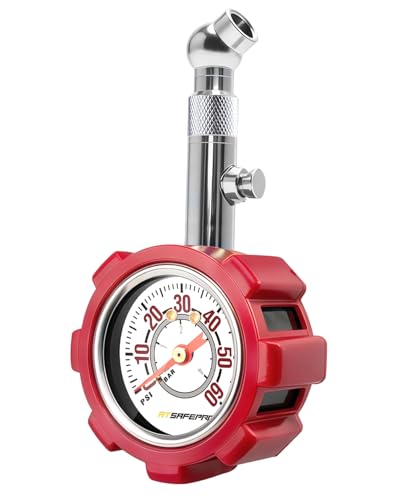
If the scooter runs pneumatic tires, check pressure monthly against the figure printed on the sidewall or given in the manual, not a number carried over from a bicycle. Soft tires make the scooter feel heavy, shorten what you get from a charge, and change how it steers.
Look at tread and sidewalls at the same time. Smooth tread, cracked sidewalls, or missing chunks from a solid tire all mean replacement rather than adjustment, and our scooter tire guide covers ordering the right size.
Braking and the Freewheel Lever
Scooter braking is handled by the drive system rather than by a cable you can adjust at home, which is why there is no scooter equivalent of tightening a rollator brake. What you check is behavior: the scooter should slow and hold when the throttle is released, and it should hold on a slope.
Check the freewheel lever too, since a scooter left in freewheel will not drive and will not hold on an incline. If braking feels different from how it used to, that is a dealer conversation rather than something to adjust.
The Seasonal and Storage Check
Twice a year, look at the things that only change slowly: the condition of the seat upholstery and its post, the state of the battery compartment and its connections, corrosion anywhere near the charging port, and whether the wheels have developed any play in their bearings.
This is also the moment to think about where the scooter lives. Damp storage does more damage than mileage does, and our storage and charging guide and cover guide both cover keeping weather off a machine that has no garage to live in.
The Routine at a Glance
| Interval | What to check | Why |
|---|---|---|
| Weekly | Charge, tires by eye, seat and tiller tight | Catches loosening and slow leaks early |
| Monthly | Tire pressure and tread, charging port, connections | Pressure drives range and steering feel |
| Monthly | Braking behavior and freewheel lever | Change in behavior is the signal, not the fix |
| Seasonally | Upholstery, battery compartment, wheel play | Slow changes are invisible week to week |
| Before storage | Charging plan, dry spot, cover | A pack left flat is the fastest way to ruin one |
| Yearly | Dealer service | Anything mechanical or electrical |
Storing a Scooter Through a Quiet Season
The most damaging thing you can do to a scooter is park it in a shed in October and forget it until April. Sealed lead acid packs lose charge on the shelf, and a pack left deeply discharged for months often does not come back. Keep it charged through the quiet period as the manual describes.
Store it dry rather than merely under cover, and let it dry before covering it if it has been out in the rain. Our battery guide covers the charging habits that matter most over a winter.
What to Leave to the Dealer
Brakes, the controller, the wiring loom, the motor, wheel bearings, and anything behind a panel that needs a tool to open are dealer work. So is a charging port that has become loose in its housing, and any fault that produces heat, swelling, or an unusual smell from the battery compartment.
Booking an annual service is worth doing even when nothing is wrong, particularly on a scooter used daily. Ask what the service covers, since scope varies, and keep the paperwork with the manual for warranty purposes.
Common Mistakes in Scooter Maintenance
Washing a scooter with a hose is the most common, and the most damaging. The controller, the charging port, and the connectors are not built for a jet of water, so cleaning means a damp cloth and a dry one rather than a bucket and a hose.
The second is ignoring tire pressure because the scooter still moves. It moves, but it uses more of the pack to do it. The third is oiling things that were not meant to be oiled; the manual states what, if anything, needs lubrication, and everything else is better left alone.
A Note on Who Does the Checking
Some of this routine involves bending, kneeling, and reaching, and that is not realistic for every scooter owner. Handing the monthly check to a family member or arranging it as part of a regular visit is a perfectly good answer, and it also means a second pair of eyes sees the machine.
If the checks themselves are becoming difficult, or if the scooter no longer feels comfortable to use, that is worth raising rather than working around. If you are unsure what fits your situation, ask your doctor or an occupational therapist.
Frequently Asked Questions
How often should a mobility scooter be serviced? An annual dealer service is a common recommendation for a scooter in regular use, and the manual for your model gives the maker’s own interval. Between services, a weekly look and a monthly check catch most developing problems.
Can I wash my mobility scooter? Not with a hose. Water directed at the controller, the charging port, or the connectors is a real risk. Clean with a damp cloth and dry afterward, and keep water away from anything electrical.
How often should I check scooter tire pressure? Monthly is enough for most owners with pneumatic tires. Use the pressure printed on the sidewall or given in the manual, since soft tires shorten range and change how the scooter steers.
Can I adjust mobility scooter brakes myself? No. Scooter braking is handled by the drive system rather than by an adjustable cable, so braking that feels different is a dealer matter rather than a home adjustment.
What is the freewheel lever for? It disengages the drive so the scooter can be pushed when switched off. A scooter left in freewheel will not drive under power and will not hold on a slope, which is why it is worth checking after anyone has moved the machine by hand.
How do I store a mobility scooter over winter? Store it somewhere dry rather than merely covered, and keep the battery pack charged through the quiet period as the manual describes. A pack left deeply discharged for months often does not recover.
Should I lubricate a mobility scooter? Only where the manual says to. Many scooter components are sealed and meant to be left alone, and adding oil or grease where none is specified can attract grit and make things worse.
What noises should I worry about on a mobility scooter? Any new noise is worth noting, particularly a grinding or knocking from a wheel, since that can point at bearings. Note when it happens and mention it to the dealer rather than trying to trace it by dismantling anything.
The Bottom Line
Scooter maintenance is a routine rather than a project: a weekly look while it charges, a monthly check of tire pressure and braking behavior, and a seasonal review of storage and the battery compartment. That catches nearly everything that would otherwise strand a scooter. Anything involving brakes, wiring, the controller, or heat from the battery goes to the dealer. For the two parts most likely to need attention, see our tire guide and our battery guide.
Related Reading
- Mobility Scooter Tires: Types and Replacement
- Mobility Scooter Batteries: How to Pick a Match
- Mobility Scooter Battery Not Charging: Fixes
- Mobility Scooter Covers for Outdoor Storage
- Mobility Scooter Storage and Charging at Home
- Rollator Brake Adjustment and Maintenance: A Simple Routine
- How to Choose a Mobility Scooter Step by Step
- Non Slip Ramp Surfaces and Traction Tape Compared