Last updated: August 21, 2026
A scooter that will not charge is alarming out of proportion to the usual cause. Most of the time it is not the batteries, and it is not an expensive repair either. It is an outlet on a switched circuit, a cable that has failed where it flexes, or a charging port with a bent pin.
Working through it in order saves both money and a wasted trip to the dealer. This guide covers the checks in the sequence that finds the common faults first, what the charger’s indicator lights are actually reporting, and the point at which the sensible move is to stop and let a technician take over.
This article contains affiliate links. If you buy through them, we may earn a commission at no extra cost to you. Learn more.
Quick Answer
Why will my mobility scooter battery not charge?
- Check the outlet first, then the charger cable where it bends, then the charging port for a bent or dirty pin.
- A charger with no lights at all usually points at the charger or its lead rather than at the batteries.
- A charger that reports a full pack within minutes usually points at batteries that can no longer hold charge.
Bottom line: work from the wall toward the battery, and stop at the dealer once the answer involves opening up wiring.
Start at the Wall and Work Inward
The order matters because the cheapest and most likely causes sit at the start of the chain. Test the outlet with a lamp or a phone charger, since wall outlets in garages and hallways are often on a switch or a tripped circuit that nobody thinks about until something else stops working.
If the outlet is live, move to the charger itself. Look at whether it shows any indicator light at all when plugged into the wall but not into the scooter, because that separates a dead charger from a connection problem further down the line.
The Cable Where It Bends
Charger leads fail at the two points where they flex, right at the plug end and right where the cable leaves the charger body. Flex the cable gently at both while watching the indicator light. A light that flickers as you move it has told you what the fault is.
The Port and the Pins
Look into the scooter’s charging port with a flashlight. A bent pin, a pin pushed back into the housing, or a build-up of dust and grit will all prevent a connection even though the plug feels seated. Do not force a plug that does not seat easily, since that is how pins bend in the first place.
What the Charger Lights Are Telling You
Charger indicators are the clearest diagnostic tool most households have. The manual for your specific charger gives the exact meanings, and it is worth finding, because color and blink patterns differ between makers and a guess here sends you in the wrong direction.
Broadly, no light at all with a known-good outlet points at the charger or its lead. A light that shows charging but never changes to complete points at a pack that is not taking charge. A light that jumps to complete almost immediately points at a pack with nothing left to fill.
Common Symptoms and Where They Usually Point
| Symptom | Usually points at | Next step |
|---|---|---|
| No charger light at all | Outlet, cable, or charger | Test the outlet, flex the cable |
| Light flickers when cable moves | Failing charger lead | Replace the lead or the charger |
| Reports full within minutes | Pack no longer holding charge | Test the pack, plan a replacement |
| Charges but range is short | Aging pack or soft tires | Check tire pressure, then the pack |
| Plug will not seat | Bent pin or debris in the port | Inspect with a flashlight, do not force |
| Scooter dead with a charged pack | Freewheel lever, fuse, or controller | Check the lever, then call the dealer |
Two Things Worth Owning Before You Guess
A Known-Good Charger
The fastest way to separate a charger fault from a battery fault is to try a second charger that matches the pack’s voltage, chemistry, and connector. If a neighbor or the dealer has one, borrow it before buying anything.

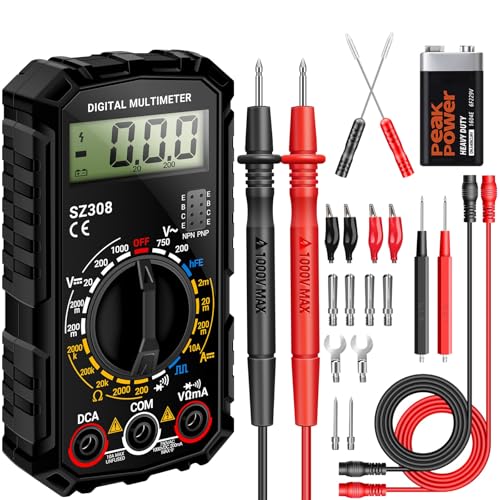
A Basic Multimeter
A simple meter across the pack terminals tells you whether there is voltage there at all, which is more informative than any amount of guessing. Use it for a reading rather than for a repair, and follow the meter’s own instructions.
When the Pack Is Simply Worn Out
Batteries reach an end, and the pattern is recognizable. Range shortens gradually over months, the charger finishes sooner than it used to, and the scooter feels strong at the start of a trip and weak halfway through. None of that is a fault to fix.
At that point the answer is a matched replacement set rather than a single battery, because a new battery paired with a tired one is pulled down within weeks. Our scooter battery guide covers reading the label and ordering a correct match.
Where to Stop and Call the Dealer
Stop as soon as the answer involves opening wiring, replacing a fuse you cannot find in the manual, testing a controller, or working on a charging port that is loose in its housing. Those are dealer or technician jobs, and we would not suggest attempting them at home.
Also stop if anything is hot, swollen, leaking, or smells wrong. Disconnect nothing further, leave the scooter somewhere ventilated and away from anything flammable, and call the dealer or the maker’s support line for instructions specific to that pack.
Common Mistakes When Troubleshooting
Buying batteries first is the most expensive mistake in this whole sequence, and it is the most common, because the batteries are the part people think of. Work from the wall inward and the batteries are often ruled out for free.
The second is trying a charger that fits the socket but is not specified for the pack. A plug fitting proves nothing about voltage or chemistry, as our charger guide sets out. The third is forcing a plug into a port that does not want to seat, which turns a dirty port into a bent pin.
A Note on Getting Around Meanwhile
A scooter out of action for a few days is a real disruption, and it is worth having a plan rather than improvising. A rollator or a transport chair already in the house covers short distances, and our walker and rollator comparison covers what each suits.
If the scooter is the only thing making daily trips possible, say so when you call the dealer, since loan arrangements sometimes exist. If you are unsure what fits your situation, ask your doctor or an occupational therapist.
Frequently Asked Questions
Why is my mobility scooter not charging? The most common causes sit before the batteries: a dead or switched outlet, a charger lead that has failed where it flexes, or a charging port with a bent pin or debris in it. Check those three in order before suspecting the pack.
How do I know if it is the charger or the battery? A charger showing no light at all on a known-good outlet points at the charger or its lead. A charger that runs and reports a full pack within minutes points at batteries that can no longer hold charge.
Can a completely flat mobility scooter battery be recovered? Sometimes a pack left flat for a long period will not accept charge again, and some chargers will not start into a pack below a certain voltage. Ask the dealer before assuming either outcome, and avoid leaving a pack discharged in future.
What do the lights on a mobility scooter charger mean? They report the charging state, but color and blink patterns differ between makers. The charger’s own manual gives the exact meanings, and guessing at them is what sends people down the wrong track.
My scooter charges but does not run. What now? Check the freewheel lever first, since a scooter left in freewheel will not drive under power. If the lever is engaged and the scooter still does nothing, that points at a fuse, the controller, or the wiring, which is a job for the dealer.
Can I fix a mobility scooter charging port myself? Cleaning debris out gently is reasonable. A port that is loose in its housing, has a pushed-back pin, or has damaged wiring behind it is a technician job rather than a home repair.
Should I replace one battery or both? Both. A scooter runs its pack as a matched set, and a new battery paired with a worn one is dragged down to the weaker one’s condition within weeks.
Is it dangerous if a scooter battery gets hot while charging? Warmth during charging is normal, but heat that is uncomfortable to touch, swelling, leaking, or an unusual smell is not. Stop, move the scooter somewhere ventilated away from anything flammable, and call the dealer or the maker for instructions.
The Bottom Line
Work from the wall toward the battery: outlet, cable, port, charger lights, and only then the pack itself. Most no-charge complaints end at one of the first three, and buying batteries before checking them is the expensive way around. Once the answer involves fuses, controllers, or wiring, hand it to the dealer. If the pack really has reached its end, our scooter battery guide covers ordering a matched replacement set.
Related Reading
- Mobility Scooter Batteries: How to Pick a Match
- Mobility Scooter Chargers: Match Volts and Plug
- Mobility Scooter Maintenance Checklist
- Lithium Battery Upgrade for a Mobility Scooter
- Mobility Scooter Storage and Charging at Home
- How to Choose a Mobility Scooter Step by Step
- Walker vs Rollator: Which One Fits Your Situation
- Threshold Ramps: Sizing a Doorway Ramp That Fits