Last updated: August 20, 2026
Some links on this page are affiliate links. If you buy through them we may earn a commission at no extra cost to you. See our affiliate disclosure.
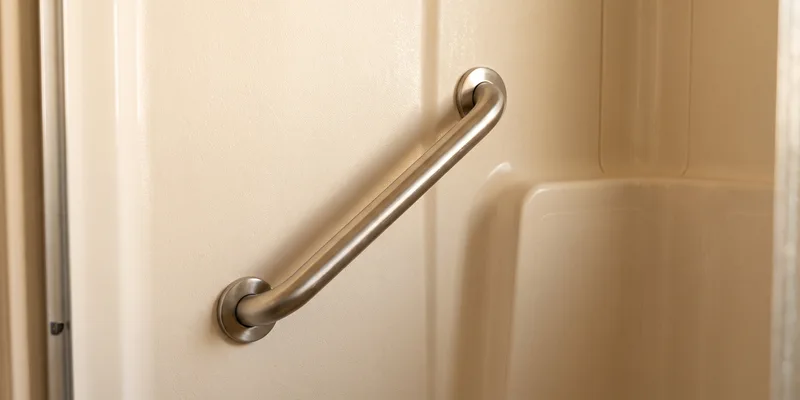
A one piece fiberglass or acrylic shower surround is the most common shower in American homes and the most awkward wall to put a grab bar on. It looks solid, it feels solid when you knock on it, and then you drill into it and discover an air gap, a thin flexible shell, and framing that may or may not be where you need it.
None of that makes the job impossible. It does mean the method is different from tile, and that a couple of shortcuts that are harmless on a tiled wall will crack a fiberglass shell or leave a bar that flexes. This guide covers what is actually behind the shell and how to mount a bar into it properly.
Quick Answer
Can you install a grab bar in a fiberglass shower?
- Yes, but the fiberglass shell is a finish layer, not structure, so the screws must reach framing or blocking behind it.
- Where there is an air gap between the shell and the wall, that gap has to be filled or bridged so the shell is not crushed as the bar is tightened.
- Drill with a bit suited to fiberglass at low speed, and never overtighten, since the gelcoat cracks and the cracks spread.
- Seal every penetration with silicone, because the shell is the waterproof layer and each screw hole is a break in it.
Bottom line: treat the shell as a skin, put the load into the framing behind it, and support the gap in between.
What Is Actually Behind the Shell
A fiberglass or acrylic surround is a molded shell, typically a few millimeters thick, that is set against the framing and fastened around its flanges. Between the curved shell and the flat studs there is usually a void, and depending on how the shower was installed that void may be empty, partly filled with insulation, or backed with mortar or foam at the base.
This is the whole reason the method differs. A screw driven into the shell alone has almost nothing to hold, and a bar tightened against an unsupported shell pulls the shell inward and cracks it. Both problems are solved the same way: reach the framing, and support the gap.
How to Tell What You Have
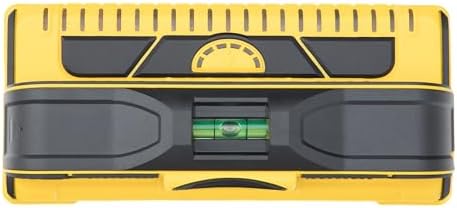
Tap along the wall and listen. A hollow drum sound means an air gap; a duller, deader sound suggests the shell is backed. A stud finder can work through a thin shell but is less reliable than on drywall, so treat its reading as a starting point and confirm with a small pilot hole in a spot that a flange will cover.
The Three Ways This Is Usually Done
Professionals use one of three approaches depending on what is behind the shell. All three put the load into framing, and they differ in how they handle the void.
Screws Into Framing With the Gap Filled
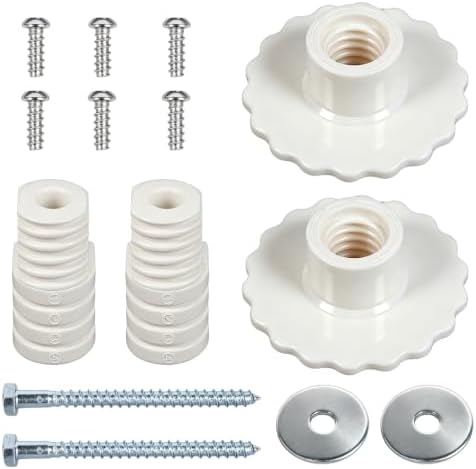
Where a stud sits behind the intended position, the screws go into it and the void is filled so the shell does not deflect. The usual method is to inject a structural filler or fit a rigid spacer of the exact gap depth behind the flange, so the shell is sandwiched rather than pulled.
Measuring the gap accurately matters more than anything else here. A spacer that is too short leaves the shell to flex; one that is too long bulges the shell outward and stresses the gelcoat before you have even tightened the bar.
A Reinforcing Plate Over the Shell
Purpose made grab bar mounting plates and backer boards spread the load across a wide area of the shell and then fix through into framing. This is the tidiest route when the framing is close to the right place but not exactly on it, and finished wood or composite plates can look deliberate rather than clinical.
Blocking Added From the Other Side
If the shower backs onto a closet, a hallway, or an unfinished space, blocking can be added from behind by cutting and patching that side’s drywall. It is more work and it is the strongest result, because the bar then screws into solid wood exactly where you want it. Our guide to mounting grab bars without studs covers blocking in more detail.
Drilling Fiberglass Without Cracking It
Fiberglass and acrylic drill easily and crack easily, which is a bad combination for anyone in a hurry. The gelcoat surface is brittle, and a crack that starts at a screw hole will keep traveling long after the bar is fitted.
| Step | What to do |
|---|---|
| Mark | Tape over the spot so the bit cannot wander across the glossy surface |
| Bit choice | A sharp bit suited to fiberglass or plastic; a dull bit tears rather than cuts |
| Speed | Low speed, light pressure, hammer function off |
| Pilot hole | Start small and step up, rather than going straight to full diameter |
| Tightening | Snug only; overtightening crushes the shell and cracks the gelcoat |
| Sealing | Silicone in every hole and around every flange before final tightening |
What Not to Do
The single most common mistake is mounting the bar to the shell alone with plastic plugs or self drilling anchors. It feels firm during installation and it fails under exactly the load a grab bar exists for, because a thin molded shell is not structure.
The second is skipping the sealant. The shell is the waterproof layer in this kind of shower, and every screw hole is a hole in it. Water that gets behind a surround has nowhere useful to go and does its damage out of sight.
Do Not Substitute a Suction Bar and Call It Done
Suction bars stick reasonably well to a smooth acrylic surface, which makes them tempting here. Their manufacturers describe them as balance aids rather than weight bearing supports, so they are a travel accessory rather than a solution to a difficult wall. Our look at suction grab bars covers the limits.
When to Bring In a Professional
This is the wall type where calling someone is most often the right answer. A handyman or bathroom contractor deals with fiberglass surrounds regularly, has done the gap filling method before, and carries the plates and fillers as stock rather than ordering them and hoping.
It is also worth separating two questions. Whether the bar can be mounted safely is a trade question; whether this bar in this position is the right support is not. If you are unsure what fits your situation, ask your doctor or an occupational therapist, who can watch the movement before any holes are made.
Frequently Asked Questions
Can you put a grab bar in a fiberglass shower? Yes. The screws must reach framing or blocking behind the shell, and the void between the shell and the framing needs filling or bridging so the shell is not crushed as the bar is tightened.
Will drilling crack my fiberglass shower? Not if you tape the spot, use a sharp bit suited to fiberglass, run the drill at low speed with the hammer off, and step up from a small pilot hole. Cracks usually come from a dull bit, hammer action, or overtightening.
How do I fill the gap behind a fiberglass shower wall? Either with a rigid spacer cut to the measured gap depth behind the flange or with a structural filler injected into the void, so the shell is supported rather than pulled inward.
Can I use drywall anchors in a fiberglass shower? No. A molded shell is a finish layer, not structure, and plugs or self drilling anchors in it will not hold a grab bar load.
How do I find studs behind a fiberglass surround? A stud finder often reads through a thin shell but is less reliable than on drywall, so confirm with a small pilot hole in a spot the flange will cover, and check for the hollow drum sound that indicates a void.
Do I need to seal around the flanges? Yes. The shell is the waterproof barrier, so silicone goes in every hole and around every flange before the final tightening.
Is a mounting plate a good idea on fiberglass? Often the best route, because it spreads the load across the shell and lets the bar sit where you want it while still fixing through into framing.
Should I just hire someone for a fiberglass shower? It is a reasonable call. This is the wall type where the method matters most and where a contractor is likely to have the plates and fillers already on the van.
The Bottom Line
A fiberglass shower shell is a skin, not a structure, so a grab bar there succeeds or fails on whether the screws reach framing and whether the void behind the shell is supported. Drill slowly with a sharp bit, never overtighten, and seal every penetration. Mounting plates and added blocking both solve awkward framing, and our guides to installing grab bars and choosing shower grab bars cover the rest.