Last updated: August 21, 2026
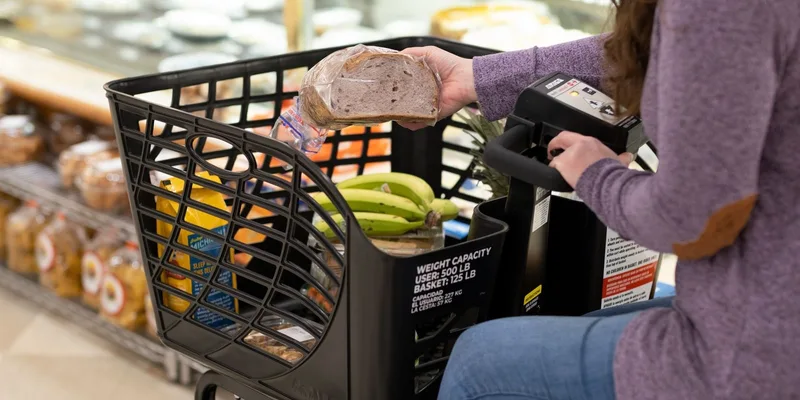
The factory basket on a mobility scooter is sized for a handbag and a newspaper, which is fine until the first real errand. Then it turns out that groceries, a jacket, a walking cane, and a water bottle all need somewhere to go, and there is only one small wire basket hanging off the front of the tiller.
Adding storage is easy. Adding it in the right place is what separates a scooter that carries more from a scooter that steers strangely and tips its load at the first curb cut. This guide covers the four mounting positions, what each one suits, and how much weight it is reasonable to hang on a scooter frame at all.
This article contains affiliate links. If you buy through them, we may earn a commission at no extra cost to you. Learn more.
Quick Answer
Where should storage go on a mobility scooter?
- Heavy items belong low and behind the seat, where they do not move with the steering.
- The front basket is for light, frequently needed things, since weight there sits ahead of the front wheel.
- Armrest pouches and seat back bags cover the small items that otherwise end up loose on the seat.
Bottom line: spread the load rather than stacking it, keep the heaviest bag low and to the rear, and check the scooter manual for what the frame is rated to carry.
Where the Load Sits Changes How the Scooter Drives
A scooter carries its own weight low, and anything added above or ahead of that changes the balance. Weight on the tiller basket sits forward of the front wheel and turns with the steering, so a heavy front load makes the steering feel different on every corner and adds a pull on slopes.
Weight behind the seat sits over or behind the drive wheels and stays put when the tiller turns. That is why rear bags and rear baskets are the sensible home for anything with real mass, and why the front basket is best treated as the place for a phone, a folded bag, and a bottle of water.
What the Frame Is Rated to Carry
Scooter manuals state a storage or basket limit separately from the rider weight capacity, and that figure is the reference rather than what a bag physically holds. Do not add the numbers from two accessories together and assume the frame accepts the total; the limit belongs to the scooter, not the luggage.
Storage Options by Situation
A Rear Basket for Real Errands
A metal or rigid rear basket mounted behind the seat is the closest thing to a trunk a scooter has. It keeps the load low, it does not swing, and it holds shape when it is half full. Check the mounting method against your scooter’s seat post or rear frame before ordering.

Small Things Within Reach
An armrest pouch or a tiller organizer keeps a phone, keys, and a wallet reachable without stopping or twisting around. It is the accessory that most reduces the number of items left loose on the seat, which is where things get sat on or dropped.

Carrying a Cane or Crutches
A cane used indoors still has to travel with the scooter, and propping it against the seat is how canes end up left at the store. A clamp-on holder secures it upright and out of the way of the wheels.

A Soft Bag for the Seat Back
A padded bag that hangs on the seat back adds capacity without any hardware, which suits scooters that get disassembled for transport or that would rather not gain permanent brackets. Look for one that closes properly rather than an open tote.

Matching the Storage to the Trip
| Position | Suits | Watch out for |
|---|---|---|
| Front basket | Light items needed often | Weight here affects steering feel |
| Rear basket | Groceries and bulk | Reaching it means turning around |
| Seat back bag | Extra capacity without brackets | Can swing if loaded unevenly |
| Armrest pouch | Phone, keys, wallet | Small capacity by design |
| Cane holder | A second walking aid | Must stay clear of the wheels |
| Under-seat space | Battery access on some models | Often not storage at all |
Shopping Trips and What Usually Goes Wrong
The classic failure is loading everything into the front basket because it is the one you can see, which puts the heaviest items in the position that affects steering most. Splitting a shop between a rear basket and a front basket handles the same volume without the handling change.
The second failure is hanging bags from the tiller or the armrests. Bag handles swing, catch on door frames, and can end up near the front wheel, and a bag that reaches the wheel on a turn stops the scooter abruptly. If a bag has to hang, it belongs on a hook designed for it at the rear.
Weather, Visibility, and What Is Left on Board
Open baskets fill with rain and hold it, so a liner or a bag with a closing lid is worth having on any scooter parked outdoors. The same goes for anything electronic that lives in a front basket, which is the least protected spot on the machine.
Leaving belongings in a parked scooter is its own risk. A basket in plain view is an invitation, and a cover hides the scooter without securing anything. Our scooter lock and security guide covers what actually protects a parked scooter, and our cover guide covers the weather side.
Common Mistakes When Adding Scooter Storage
Ordering a clamp-on basket without measuring the frame tube is the most common, since scooter frames are not standardized and universal clamps have a range rather than a guarantee. Measure the tube at the mounting point first.
The second is fitting storage that blocks something: the seat swivel, the battery access panel, the charging port, or the folding and disassembly points. The third is overloading, which is invisible until a slope or a curb cut makes it obvious.
A Note on Reaching and Loading
Storage placed where it cannot be reached from the seat is storage that gets used once. Twisting around to a rear basket while seated is awkward for many riders, so a mix of positions usually works better than one large container at the back.
If loading and unloading a scooter’s storage is becoming difficult, or if the reaching involved is uncomfortable, that is worth raising rather than working around. If you are unsure what fits your situation, ask your doctor or an occupational therapist.
Frequently Asked Questions
How much can you carry on a mobility scooter? The scooter manual gives a storage limit separately from the rider weight capacity, and that figure is the reference. Adding two accessories does not raise it, and the limit belongs to the frame rather than to the bags fitted.
Where should heavy items go on a mobility scooter? Low and behind the seat. Weight in the front basket sits ahead of the front wheel and turns with the steering, which changes how the scooter feels on corners and slopes.
Can I add a rear basket to any mobility scooter? Not universally. Rear baskets mount to the seat post or the rear frame, and both vary between models. Check the mounting method and measure the tube before ordering anything described as universal.
Can you hang shopping bags on a mobility scooter? It is best avoided on the tiller or the armrests, because handles swing, catch on door frames, and can reach the front wheel. A rear basket or a bag on a purpose-made rear hook is the safer answer.
What is the best bag for a mobility scooter? It depends on the trip. A rigid rear basket suits groceries, a seat back bag adds capacity with no hardware, and an armrest pouch keeps a phone and keys reachable without turning around.
Are mobility scooter baskets waterproof? Open wire baskets are not, and they collect rain. If the scooter is parked outdoors, use a bag with a closing lid or a liner, and keep anything electronic out of the front basket.
Will a basket fit on my scooter’s tiller? Most scooters already have a front basket mount, and aftermarket baskets clamp to the tiller tube. Measure the tube diameter at the mounting spot and check that the clamp leaves the controls and cabling clear.
Is it safe to leave things in a scooter basket when parked? Anything visible in a basket is easy to take, and a cover conceals without securing. Take valuables with you, and see a dedicated lock or alarm as the measure that protects the scooter itself.
The Bottom Line
Scooter storage works best spread across positions rather than concentrated in one: heavy things low and to the rear, small things within reach at the armrest, and the front basket kept for light items you need often. Measure the frame tube before ordering, keep the seat swivel and charging port clear, and check the manual for the storage limit rather than filling to whatever the bag holds. The rest of the setup sits in our scooter accessories guide.
Related Reading
- Mobility Scooter Accessories Worth Buying First
- Mobility Scooter Locks and Theft Protection
- Mobility Scooter Covers for Outdoor Storage
- Mobility Scooter Carriers for Cars and SUVs
- Rollator Accessories: What Fits, What Helps, What to Skip
- How to Choose a Mobility Scooter Step by Step
- Suitcase Ramp: Folding Ramps for Steps and Travel