Last updated: August 20, 2026
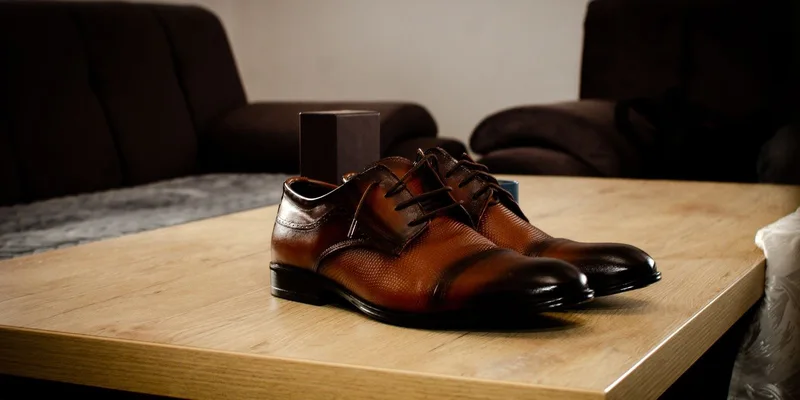
Putting on a shoe is a small movement that quietly demands a lot: bending forward past the knee, balancing while doing it, and using a finger strong enough to hold the heel counter open. A long-handled shoe horn removes all three at once, which is why it is one of the most used items in any drawer of daily living aids.
They are not all the same, though, and the differences are easy to miss on a product page. This guide covers how to choose the length, whether rigid or flexible suits better, why blade width matters more than it sounds, and how a shoe horn fits into the rest of the dressing routine.
This article contains affiliate links. If you buy through them, we may earn a commission at no extra cost to you. Learn more.
Quick Answer
How do you choose a long-handled shoe horn?
- Length comes first: measure from the floor to the hand in the position the shoe will actually be put on, seated or standing.
- Metal blades stay stiff under pressure; plastic ones are lighter but can flex and buckle at the heel.
- A wider blade suits boots and shoes with a firm heel counter; a narrow one suits slim dress shoes.
- A hook or loop on the handle lets it hang by the door, which is the difference between using it and losing it.
A shoe horn is not something to lean on. Putting shoes on while seated removes the balance problem entirely.
What to Compare
Four things separate one long shoe horn from another, and all four are usually stated in the listing. Length and stiffness decide whether it works at all; blade width and handle design decide whether it is pleasant to use.
| Feature | What to look for | Why it matters |
|---|---|---|
| Length | Measure floor to hand in the actual position used | Too short means bending anyway; too long is awkward to steer |
| Material | Stainless steel, aluminum, molded plastic, or wood | Metal holds its shape under heel pressure, plastic can flex |
| Blade width | Wide for boots and firm heels, narrow for dress shoes | A blade wider than the shoe opening will not seat properly |
| Blade curve | A deep channel rather than a flat strip | Guides the heel instead of letting it slide off sideways |
| Handle | Cushioned grip, and a hook or hanging hole | Comfort under load, and somewhere to keep it |
| Telescoping | A locking collar rather than a friction fit | Adjustable length, but the joint is the weak point |
Getting the Length Right
Length is the one dimension that decides whether the tool solves the problem. Sit or stand in the position shoes are actually put on, let the hand fall naturally to where it would hold the horn, and measure from the floor to that point. Add a little so the handle is comfortably held rather than gripped at its very end.
Someone who puts shoes on standing needs a noticeably longer horn than someone who sits on the edge of the bed, which is why there is no single recommended length. Models are commonly sold anywhere from around a foot and a half up to about waist height, and the listing states the exact figure.
Telescoping Versions
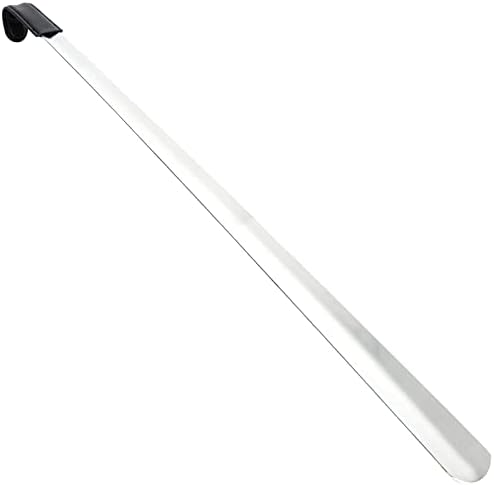
Extendable horns solve the problem of two people in one house needing different lengths, and they store shorter. The joint is what to check: a locking collar that clamps positively is fine, while a friction fit tends to collapse at exactly the moment pressure goes on the heel.

Rigid or Flexible
A shoe horn works by holding the heel counter open and giving the heel a smooth surface to slide down. That means it is under real pressure as the foot goes in, and a blade that flexes at that moment folds out of the way instead of guiding the heel.
Metal blades, usually stainless steel or aluminum, stay stiff and are the safer choice for firm shoes and boots. Plastic is lighter and cheaper, and perfectly adequate for soft slippers and loose shoes, but a thin plastic blade can buckle under a stiff heel counter. Wood sits in between, with a warm feel and reasonable stiffness.

Blade Width and Shape
The blade has to fit inside the shoe opening while still being wide enough to support the whole heel. Too narrow and the heel slips off the side of it; too wide and it will not seat into a slim dress shoe at all.
Curve matters as much as width. A blade formed into a deep channel cradles the heel and steers it down, while a flat strip lets the foot wander off the edge. If boots are the main use, look specifically for a wide, deeply curved blade, since boot shafts are the hardest case.

Where the Shoe Horn Fits in the Routine
A shoe horn is the last step of a sequence, and it works best when the earlier steps are handled too. If bending to reach the foot is the underlying difficulty, a sock aid handles socks and a dressing stick or reacher grabber brings the shoe within reach in the first place.
Fastening is the step after. Elastic laces turn a lace-up into a slip-on and remove tying altogether, which pairs naturally with a shoe horn since both are about getting the shoe on without reaching the foot. Hook and loop straps do the same job on many walking shoes.
Sit Down for This One
Putting shoes on while standing on one leg is one of the more precarious moments of the morning, and no tool changes that. A stable chair with arms, placed where the shoes are kept, does more for safety than any shoe horn. Our entryway checklist covers seating by the door, and the trip hazards guide covers what else is worth clearing from that spot.
Small Things That Decide Whether It Gets Used
A hook or a hole in the handle sounds trivial and is not. A shoe horn hanging by the front door gets used; one in a drawer in another room does not, and buying a second for a different part of the house is a reasonable answer rather than an indulgence.
Handle comfort matters under load, since real pressure goes through the palm as the foot slides in. A cushioned or contoured grip is easier on a hand that is already tiring, and the same reasoning that applies to built-up handles on cutlery applies here. If you are unsure what fits your situation, ask your doctor or an occupational therapist, who can look at the whole routine rather than the tool alone.
Frequently Asked Questions
How long should a shoe horn be? Long enough to reach the floor from where the hand naturally sits in the position shoes are put on. Measure from the floor to that point while seated or standing, whichever applies, rather than picking a length from a chart.
Are metal or plastic shoe horns better? Metal stays stiff under the pressure of a firm heel counter, which makes it more reliable for shoes and boots. Plastic is lighter and fine for slippers and loose shoes, but a thin blade can buckle.
Can you use a shoe horn standing up? Yes, with a long enough model, but standing on one leg to put a shoe on is the least stable part of the routine. Sitting in a chair with arms is safer and makes a shorter horn workable.
What is the best shoe horn for boots? A wide blade with a deep curve, in metal rather than plastic, and long enough to reach into the boot shaft without bending. Boot shafts put the most pressure on the blade of any shoe.
Do telescoping shoe horns work well? They do when the joint locks positively with a collar. Friction-fit joints tend to collapse under heel pressure, which is the moment the tool most needs to hold its length.
What else helps if bending is the problem? A sock aid for socks, a dressing stick or reacher to bring the shoe within reach, and elastic laces or hook and loop straps so the shoe does not need tying afterward.
Should the shoe horn be left in the shoe? No. Slide it out once the heel is seated, since leaving it in place distorts the heel counter over time and it will not be where you need it next.
The Bottom Line
Choose length by measuring from the floor to your hand in the position shoes actually go on, then pick a stiff blade in metal if boots or firm shoes are involved and a lighter plastic one if they are not. A deep curve steers the heel where a flat strip does not, and a hook on the handle is what keeps the tool where it is needed. Pair it with a sock aid and elastic laces to cover the whole routine without bending to the foot.