Last updated: August 21, 2026
Exoskeletons have moved from research labs into consumer listings faster than most people realize, and the language around them has not caught up. The same word is used for a clinical device operated under supervision in a rehabilitation setting and for a battery-powered hip belt that a hiker buys online and straps on for a weekend walk. Those are not the same product and they are not bought the same way.
This guide covers the consumer end, which is the part anyone can actually order: what these devices are, what manufacturers say they do and how to read those statements, and the practical questions of fit, weight, and battery that decide whether one gets used or shelved. We do not tell you what an exoskeleton will do for your body, because that is not something a website can know.
This article contains affiliate links. If you buy through them, we may earn a commission at no extra cost to you. Learn more.
Quick Answer
What is an exoskeleton for walking?
- Consumer walking exoskeletons are wearable powered frames, most often worn at the hips, that apply motor assistance in time with the wearer’s stride.
- They are marketed largely to hikers and active users rather than as mobility equipment, and manufacturers describe what their own devices do in their own published material.
- Clinical and rehabilitation exoskeletons are a separate world entirely, prescribed and supervised, and not something bought from a listing.
Whether any of this suits a particular person is a question for a doctor or a physical or occupational therapist, not for a product page.
What These Devices Are
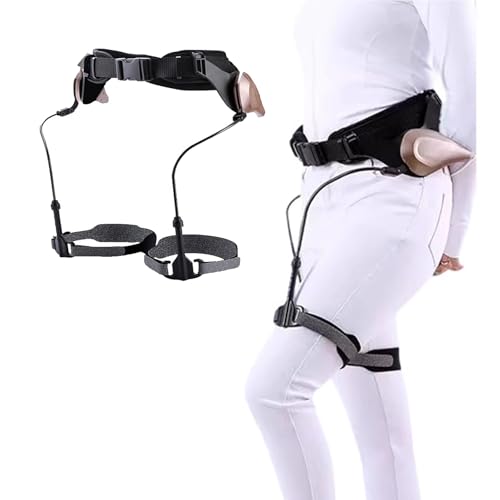
A consumer walking exoskeleton is a wearable frame with one or more motors, a battery, and a control system that senses movement and applies torque in time with the wearer’s steps. On the models sold to the public, the motors sit at the hips, connected to a waist belt and thigh cuffs, and the whole assembly is put on and taken off like a harness.
The category is young, and the products in it change quickly. That is worth stating plainly at the start, because it affects everything from how long parts remain available to whether a model on sale this season is still supported later.
Two Different Categories, One Word
Clinical exoskeletons are used in rehabilitation and research settings, involve trained supervision, and are obtained through medical channels rather than bought. They are designed around defined clinical uses and their evidence sits in clinical literature.
Consumer exoskeletons are sold openly to the public, marketed around hiking, walking, and outdoor activity, and involve no clinical process at all. Nothing on this page concerns the clinical category, and no consumer device should be read as a substitute for one. Our overview of powered walking aids explains where the line sits.
How to Read Manufacturer Claims
Every product in this category comes with published statements from its maker: figures for assistance output, battery life, weight, and often percentage claims about effort. Those are manufacturer statements, and they should be read as exactly that, attributed to the company and checked in its own documentation rather than repeated as established fact.
We do not restate performance claims here or translate them into what they will mean for you, because the conditions behind a published figure are rarely stated and never match your terrain. Read the maker’s specification page, note who is making the claim, and treat independent measurement as absent unless you can see it.
What the Absence of Evidence Means
The consumer category is too new to have accumulated much independent, published evaluation, particularly for older users. That is not an accusation against any manufacturer; it is a statement about how young the market is. It does mean that anyone weighing one of these devices for an older adult should involve a clinician rather than relying on marketing material, and our page on whether exoskeletons are safe for older adults goes through that question in detail.
The Consumer Options by Situation
Hip Assist for Walking and Hiking
The mainstream consumer format is a hip exoskeleton: a belt around the waist, motors at the hips, and cuffs on the thighs. It is the lightest and simplest arrangement, it goes on in under a minute once familiar, and it is what most of the market currently sells.

Outdoor and Trail Use
Models aimed at hikers emphasize weather resistance, battery capacity, and how the device behaves on inclines and descents. If the intended use is uneven outdoor ground rather than sidewalks, those are the specifications to compare, taken from the manufacturer’s own listing.

Lighter, Simpler Wearables
At the lighter end sit smaller powered wearables and unpowered support garments, which weigh less, cost less to keep running, and do less. For someone unsure whether they will use the thing at all, the lighter end is where people usually start.
What to Compare Across Models
| Specification | Why it matters |
|---|---|
| Total worn weight | You carry it whether it is helping or not |
| Waist and thigh sizing | Fit ranges are published and they do not suit everyone |
| Battery life and swapping | Decides how long an outing can be |
| Time to put on and remove | Anything fiddly gets used less |
| Behavior when powered off | It has to be walkable in when the battery dies |
| Support and parts | A young category with short product cycles |
Fit and Putting It On
Every model publishes a waist range and a thigh range, and those are hard limits rather than guidance. Measure before ordering, and treat a fit at the extreme end of a published range as a reason to look at another model rather than as a near miss.
The other practical question is whether the person can put it on and take it off unaided, sitting or standing, without help. A device that needs a second person to fit is a device that gets used only when that person is available, which is usually the opposite of what was intended.
Battery, Weight, and the Trade Nobody Mentions
The battery is carried on the body along with the frame, so range and weight pull against each other directly. A larger battery means longer use and more to carry, and the extra weight is present on the walk back regardless of how much assistance is left.
Ask what happens when the battery runs out. A device that becomes dead weight partway through an outing is a different proposition from one that is comfortable to walk in unpowered, and the manufacturer’s documentation is where that answer lives.
Where This Fits Against Ordinary Mobility Aids
For most households looking at walking difficulty, the established options answer the problem more cheaply and more predictably. A properly adjusted rollator, a cane fitted to the right height, or a scooter for distance are known quantities with decades of use behind them.
Our guides to rollator walkers, choosing between a cane and a walker, and mobility scooters cover those, and our comparisons of an exoskeleton against a walker or rollator and an exoskeleton against a scooter set the categories against each other directly.
Take the Question to a Professional
Whether a powered wearable suits a particular person depends on balance, gait, joints, and how they move, and none of that is visible from a specification sheet. If you are unsure what fits your situation, ask your doctor or an occupational or physical therapist before buying anything in this category.
Frequently Asked Questions
What does a walking exoskeleton do? Consumer models are wearable powered frames, usually worn at the hips, that apply motor assistance in time with the wearer’s stride. What any specific device does is described in that manufacturer’s own published material.
Are consumer exoskeletons the same as the ones used in rehabilitation? No. Clinical exoskeletons are used under trained supervision and obtained through medical channels. Consumer devices are sold openly and marketed around hiking and outdoor activity.
Are exoskeletons suitable for older adults? That is a question for a clinician who knows the person, and the consumer category is too new to have much independent published evaluation for older users. Ask a doctor or a physical or occupational therapist first.
How much do they weigh? Worn weight differs by model and is published by each manufacturer. It matters more than most buyers expect, because the device is carried whether it is assisting or not.
What happens when the battery runs out? That depends on the design, and it is worth checking in the manufacturer’s documentation before buying, since walking home in an unpowered device is a very different experience from model to model.
Will one fit anybody? No. Each model publishes waist and thigh size ranges, and those are limits rather than suggestions. Measure before ordering and avoid buying at the extreme end of a range.
Can one be put on without help? That varies by design and by the person. A device that needs a second pair of hands is only available when that person is, which usually defeats the purpose.
Should I buy one instead of a rollator or a scooter? For most walking difficulty, established aids are cheaper, more predictable, and better understood. Compare the categories honestly rather than assuming the newer technology is the better answer.
The Bottom Line
Consumer walking exoskeletons are real products you can order, mostly hip-worn and aimed at active users rather than sold as mobility equipment. Compare them on worn weight, published fit ranges, battery life, how they behave unpowered, and how quickly they go on, and read every performance figure as a manufacturer’s own statement. Before spending anything in this young category, put the question to a doctor or therapist, and compare it honestly against a rollator or a mobility scooter, which answer most walking problems more predictably.